39 million deaths Why Could Antimicrobial Resistance Cause 39 Million Deaths?
The WHO warns of 39 million projected deaths from antimicrobial resistance • In 2021, drug-resistant infections caused over one million direct deaths • Only 42 countries have fully financed national action plans.
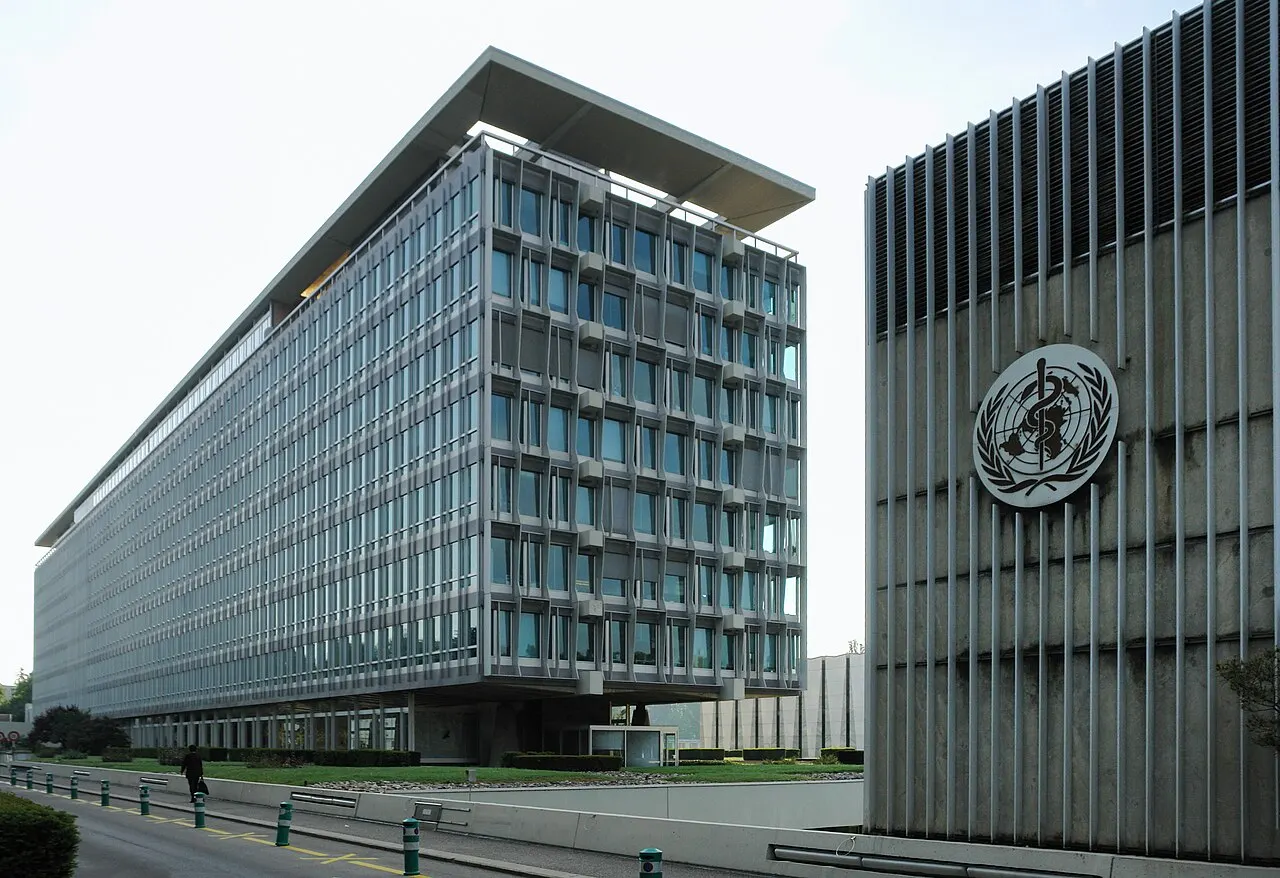
At a glance
- The WHO reported that antimicrobial resistance could cause 39 million deaths over the next 25 years.
- Data showed that antimicrobial resistance was directly responsible for over one million deaths in 2021.
- An investigation found that nearly nine in 10 countries had a national action plan against antimicrobial resistance in 2023.
- The WHO released two new tools to help countries strengthen diagnostic capabilities.
- Next: Countries working to reach the 2030 targets for antimicrobial resistance action plans
Drafted with AI from named sources and checked automatically; published by our AI editor after passing every check. How briefs are made
- Al Jazeera
The story
In 2021, antimicrobial resistance was directly responsible for more than one million deaths and linked to about 4.7 million others. The World Health Organization reported that antimicrobial resistance could cause 39 million deaths over the next 25 years.
Data shows that one in every six laboratory-confirmed bacterial infections flagged to the WHO in 2023 was resistant to antibiotics used to treat it. Jean-Pierre Nyemazi said that antibiotic resistance is widespread and threatening the future of modern medicine.
Pravasha Prakash stated that progress needs to be speeded up to reach the 2030 targets. Sylvia Bertagnolo noted that without testing, clinicians must treat without knowing the cause of infection or which antibiotic will work, while the WHO released two new tools to help countries strengthen diagnostic capabilities.
What each side says
World Health Organization
“Antibiotic resistance – but broadly, we are talking about antimicrobial resistance, or AMR – is widespread and threatening the future of modern medicine”Jean-Pierre Nyemazi
How we got here
- 2017About four in 10 countries had a national action plan against antimicrobial resistance.
- 2021Antimicrobial resistance was directly responsible for more than one million deaths.
- 2023Nearly nine in 10 countries had a national action plan against antimicrobial resistance.
What the research says6 studies, 2014–2025
This literature review examines the background and research concerning antimicrobial resistance, a public health challenge where microbes evolve to protect themselves from drugs used to treat infections in humans, animals, and plants. Understanding this history and research is essential for students and researchers studying global health trends and policy responses. The review begins with the foundational history of international health coordination, proceeds through historical studies on bacterial resistance and stewardship, and concludes by synthesizing recent findings on mortality rates, global action plans, and infection resistance patterns across various nations.
Historical Background of Public Health
The World Health Organization operates as a specialized agency of the United Nations to coordinate responses to international public health issues and emergencies, as described in the organization's background1. Headquartered in Geneva, Switzerland, the agency maintains six regional offices and 150 field offices worldwide, and only sovereign states are eligible to join1. Over the past several decades, researchers have documented the rise of dangerous, antibiotic-resistant bacteria, alongside a concurrent decline in the development of new antibiotic agents, as outlined by Richard J.
Fair and Yitzhak Tor in 20142. Porooshat Dadgostar noted in 20193 that antimicrobial resistance had emerged as an urgent public health threat causing serious issues for disease prevention and treatment, with global trends showing no signs of slowing down despite various actions taken in recent decades.
Mechanisms and Stewardship Frameworks
Research into the drivers and management of resistance highlights multiple contributing factors across different sectors. Porooshat Dadgostar (2019)3 identified the misuse and overuse of antibacterial agents in healthcare settings and the agricultural industry, alongside spontaneous bacterial mutation and horizontal gene transfer, as major reasons for resistance. Md Anwarul Azim Majumder and colleagues (2020)4 similarly reported that increased indiscriminate use of antibiotics during the COVID-19 pandemic heightened bacterial resistance, and they highlighted antimicrobial stewardship programs as crucial for promoting optimal drug use and protecting global public health.
Ka Wah Kelly Tang and co-authors (2023)5 noted that the overuse and misuse of antimicrobials, particularly antibiotics, remained a prominent cause of the crisis, forecasting 10 million deaths per year globally by 2050. Furthermore, Bruce M. Altevogt and colleagues (2025)6 described antimicrobial resistance as a One Health challenge affecting human and animal health, plants, and the environment, requiring broad stewardship across the six stages of the antimicrobial lifecycle.
Surveillance, Mortality, and National Plans
Recent epidemiological studies and reports provide quantitative measures of the global burden and policy responses. Charlotte Shan Ho and colleagues (2024)7 noted that approximately 5 million deaths were associated with bacterial antimicrobial resistance in 2019. 7 million others in 20218. In terms of policy implementation, investigations revealed that while about four in 10 countries had a national action plan against antimicrobial resistance in 20178, nearly nine in 10 countries had such a plan by 20238.
However, reports also indicated that only 42 countries had a plan that was financed, implemented, and monitored8. Additionally, it was reported that one in every six laboratory-confirmed bacterial infections flagged to the World Health Organization in 2023 was resistant to antibiotics used to treat it8, and antimicrobial resistance could cause 39 million deaths over the next 25 years8.
The reviewed literature does not yet provide a complete consensus on the exact economic costs across all low- and middle-income countries, nor does it fully resolve how regional disparities in diagnostic capabilities impact reported resistance rates. While sources agree on the general drivers of misuse and the importance of stewardship frameworks, empirical data tracking the precise local implementation and financial sustainability of national action plans across all 42 fully funded countries remains limited. Furthermore, discrepancies persist in how different studies project long-term mortality figures, reflecting variations in surveillance coverage and methodological approaches over time.
A One Health framework for global and local stewardship across the antimicrobial lifecycle
Bruce M. Altevogt et al. · Communications MedicineWhat to watch
- Countries working to reach the 2030 targets for antimicrobial resistance action plans
- Adoption of the two new WHO diagnostic tools by member countries
The data
Real GDP Growth
United Kingdom: 1.2%, 161 of 195 countries (median 3.5%).
IMF World Economic OutlookDownload data (CSV, opens in Excel)
Show the numbers (195)
Indicator: real GDP growth · Year: 2025 · Source: IMF World Economic Outlook
| Rank | Country | Value |
|---|---|---|
| 1 | South Sudan | 41.4 |
| 2 | Guyana | 19.3 |
| 3 | Libya | 15.9 |
| 4 | Kyrgyzstan | 11.1 |
| 5 | Rwanda | 9.4 |
| 6 | Ethiopia | 9.2 |
| 7 | Venezuela | 9 |
| 8 | Taiwan Province of China | 8.8 |
| 9 | Tajikistan | 8.4 |
| 10 | Zimbabwe | 8.3 |
| 11 | Bhutan | 8.2 |
| 12 | Benin | 8.1 |
| 13 | Ireland | 8 |
| 14 | Vietnam | 8 |
| 15 | India | 7.8 |
| 16 | Uzbekistan | 7.7 |
| 17 | Georgia | 7.5 |
| 18 | Armenia | 7.1 |
| 19 | Guinea | 6.9 |
| 20 | Niger | 6.9 |
| 21 | Mongolia | 6.8 |
| 22 | Senegal | 6.7 |
| 23 | Uganda | 6.7 |
| 24 | Paraguay | 6.6 |
| 25 | Côte d'Ivoire | 6.5 |
| 26 | Kazakhstan | 6.5 |
| 27 | Aruba | 6.3 |
| 28 | Cabo Verde | 6.3 |
| 29 | Maldives | 6.3 |
| 30 | Togo | 6.3 |
| 31 | Papua New Guinea | 6.2 |
| 32 | United Arab Emirates | 6.2 |
| 33 | Ghana | 6 |
| 34 | Palau | 6 |
| 35 | Tanzania | 5.9 |
| 36 | Central African Republic | 5.8 |
| 37 | Guinea-Bissau | 5.8 |
| 38 | Seychelles | 5.8 |
| 39 | Democratic Republic of the Congo | 5.7 |
| 40 | The Gambia | 5.7 |
| 41 | Burkina Faso | 5.3 |
| 42 | Cambodia | 5.3 |
| 43 | Malaysia | 5.2 |
| 44 | Tuvalu | 5.2 |
| 45 | Chad | 5.1 |
| 46 | Indonesia | 5.1 |
| 47 | Liberia | 5.1 |
| 48 | China | 5 |
| 49 | Singapore | 5 |
| 50 | Sri Lanka | 5 |
| 51 | Djibouti | 4.9 |
| 52 | Eswatini | 4.9 |
| 53 | Mali | 4.9 |
| 54 | Morocco | 4.9 |
| 55 | Nicaragua | 4.9 |
| 56 | Grenada | 4.8 |
| 57 | Laos | 4.8 |
| 58 | Sierra Leone | 4.8 |
| 59 | Macao SAR | 4.7 |
| 60 | Malta | 4.7 |
… 135 more rows in the CSV
Health Spending
United Kingdom: 11.1% in 2024 (+0.142 pts from 2023).
World Bank, World Development IndicatorsDownload data (CSV, opens in Excel)
Show the numbers (24)
Country: United Kingdom · Indicator: health spending (% of GDP) · Forecast: no · Source: World Bank, World Development Indicators
| Year | Value |
|---|---|
| 2001 | 7.43276882 |
| 2002 | 7.85946798 |
| 2003 | 8.05214596 |
| 2004 | 8.32219028 |
| 2005 | 8.38108349 |
| 2006 | 8.53970814 |
| 2007 | 8.76035309 |
| 2008 | 9.03295708 |
| 2009 | 9.83944035 |
| 2010 | 9.78799534 |
| 2011 | 9.79682636 |
| 2012 | 9.89332199 |
| 2013 | 9.99087143 |
| 2014 | 9.97686195 |
| 2015 | 9.94044876 |
| 2016 | 9.87085724 |
| 2017 | 9.70468903 |
| 2018 | 9.79496574 |
| 2019 | 9.97954082 |
| 2020 | 12.10388088 |
| 2021 | 12.08347321 |
| 2022 | 11.09679794 |
| 2023 | 10.99128914 |
| 2024 | 11.133358 |
IMF World Economic Outlook (IMF data, reused with citation) · World Bank, World Development Indicators (CC BY 4.0)
Background
At a glance
 United Kingdom
- Capital
- London
- Population
- 69.5 million
- Leaders
- Charles III · Andy Burnham
- Currency
- pound sterling
Wikidata · IMF, 2026-11-16
Sources and method
References (11)
News reports
Studies
- Richard J. Fair and Yitzhak Tor (2014). Antibiotics and Bacterial Resistance in the 21st Century Perspectives in Medicinal Chemistry
- Porooshat Dadgostar (2019). Antimicrobial Resistance: Implications and Costs Infection and Drug Resistance
- Md Anwarul Azim Majumder et al. (2020). Antimicrobial Stewardship: Fighting Antimicrobial Resistance and Protecting Global Public Health Infection and Drug Resistance
- Ka Wah Kelly Tang et al. (2023). Antimicrobial Resistance (AMR) British Journal of Biomedical Science
- Bruce M. Altevogt et al. (2025). A One Health framework for global and local stewardship across the antimicrobial lifecycle Communications Medicine
- Charlotte Shan Ho et al. (2024). Antimicrobial resistance: a concise update The Lancet Microbe
Background
- World Health Organization Wikipedia
Reports used for this brief
Data
- IMF World Economic Outlook IMF data, reused with citation
- World Bank, World Development Indicators CC BY 4.0
How this brief was made
Automated research by ZynoNews: trending topic detected across news, searches and Wikipedia; facts and statements from the reports listed; numbers computed from open data; checked automatically for numbers, sources, copying and neutrality. Version 1. 1 news reports from 1 outlets, 4 official datasets, 6 research studies and 1 background sources.
Cite this
For papers, reports and theses. ZynoNews articles keep their address; updates are listed with their date.
ZynoNews Desk. (2026, November 16). Why Could Antimicrobial Resistance Cause 39 Million Deaths?. ZynoNews. https://zynonews.org/news/why-could-antimicrobial-resistance-cause-39-million-deaths-87b7ef