29 Will Taiwan Accept China’s “One Country, Two Systems” After 29‑Aircraft Patrol?
Case: 29 Chinese aircraft patrol Taiwan • Scale: 29 aircraft, 160th Sun Yat‑sen anniversary • Conflict: Taiwan rejects “one country, two systems” proposal
At a glance
- Taiwan detected a patrol of 29 Chinese aircraft and noted China’s area‑denial drills, while Beijing called for reunification on the 160th anniversary of Sun Yat‑sen.
Drafted with AI from named sources and checked automatically; published by our AI editor after passing every check. How briefs are made
- Al Jazeera
- DW
- koreatimes.co.kr
- hngn.com
The story
On Thursday, Taiwan’s defence ministry reported that 29 Chinese military aircraft flew a joint combat‑readiness patrol over the island’s airspace.
China, which holds 16.6% of global GDP and records its lowest inflation since 2009, views Taiwan as core to its territory, while Taiwan’s GDP rose 14.9% this year, highlighting its growing economic weight.
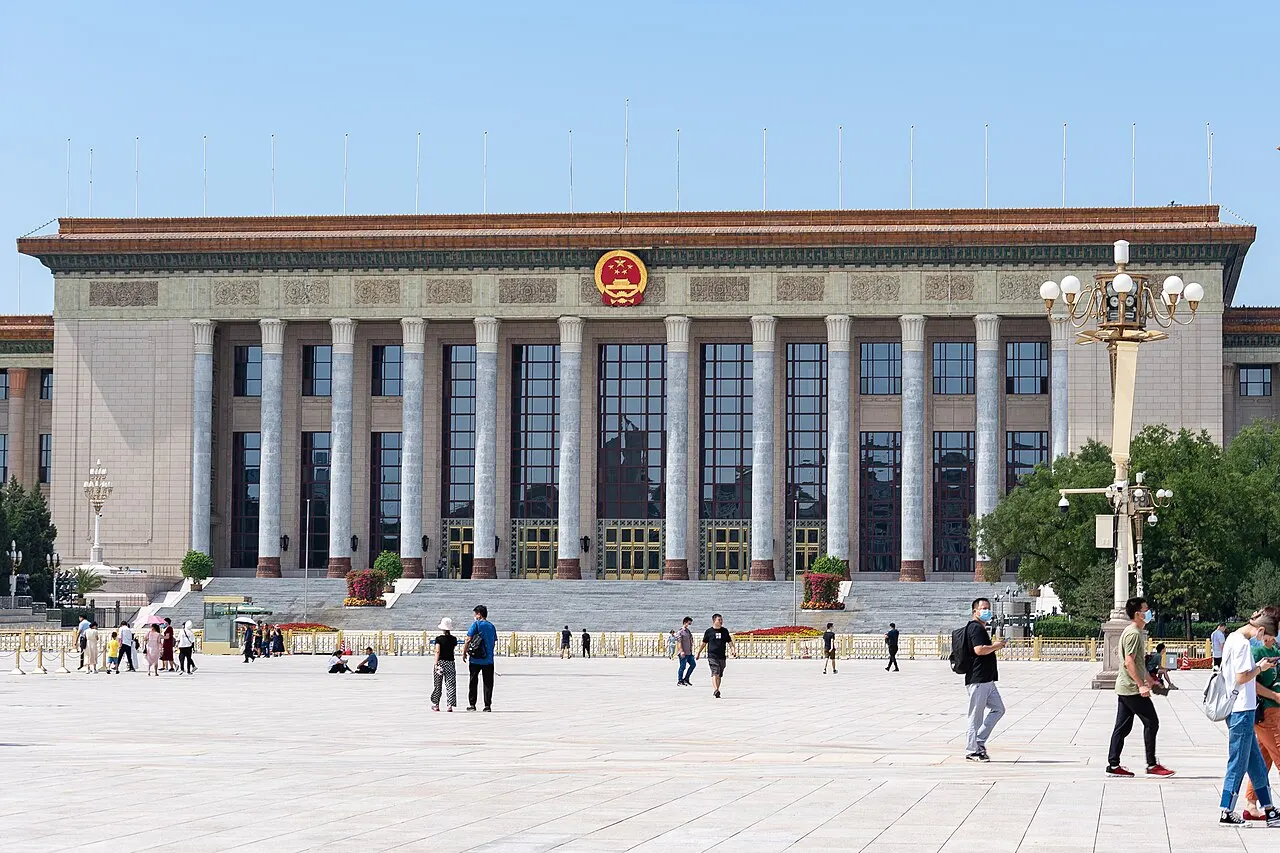
President Xi Jinping told the Great Hall of the People that reunification is an unstoppable historic tide. Taiwan’s Mainland Affairs Council spokesperson Liang Wen‑chieh said neither the government nor the people can accept “one country, two systems”. Defence Minister Wellington Koo added that China’s recent area‑denial drills in the Western Pacific raise security concerns, and both sides await further diplomatic talks.
What each side says
Government of China
“The tide of history cannot be stopped. The complete reunification of the motherland must be realised, and it will certainly be realised.”Xi Jinping
Government of Taiwan
“As for the wording on Taiwan unification, it isn't much different from the past.”Liang Wen-chieh
Should Taiwan accept China’s “one country, two systems” proposal?
For yes: Reunification is inevitable, says President Xi.
For no: Taiwan cannot accept ‘one country, two systems’, says Liang.
Who is involved
Xi Jinping
President and General Secretary of ChinaIn this storyXi Jinping spoke at Beijing's Great Hall of the People on Thursday to commemorate the 160th birth anniversary of Sun Yat-sen, calling for Taiwan's complete reunification2.
Wellington Koo
Taiwan's Defense MinisterIn this storyTaiwan's Defense Minister Wellington Koo reported on Tuesday that China conducted area denial drills in the Western Pacific4.
What the research says6 studies, 2000–2021
This review summarises scholarly and official material that frames the current tension between China and Taiwan, highlighted by a recent patrol of 29 Chinese aircraft and Taiwan’s rejection of the “one country, two systems” model. It situates today’s events within the historical evolution of cross‑strait politics, the development of Taiwanese national identity, strategic choices identified by scholars, and recent security incidents reported by government sources.
The review proceeds from background to thematic syntheses and ends with identified research gaps.
Historical Context
Scholarly work notes that the “one China” policy has remained ambiguous and subject to differing interpretations by Washington, Beijing and Taipei (Kan, 2010)5.
Identity and Public Preference
Research on Taiwanese identity shows that a majority of residents now hold a Taiwan‑centered national identity and view the island as separate from the mainland (Wang & Liu, 2004)6. Chu (2004) argues that both independence and unification supporters are numerically insufficient to give any leader a clear mandate, while a large group of non‑committed rationalists can moderate conflict in the short run (Chu, 2004)7.
A later survey of strategic preferences finds that Taiwanese citizens reject unification under Beijing’s terms, consider band‑wagoning unacceptable, and view pure balancing as costly, leading to a hedging approach (Wang & Tan, 2021)8. These studies collectively indicate limited public support for the “one country, two systems” proposal.
Strategic Options and Sovereignty
Chung (2002) highlights that democratisation in Taiwan has politicised foreign and security issues, making public preference a key driver of cross‑strait policy (Chung, 2002)9. Reilly and Gill (2000) describe China’s defence of a “thick” notion of sovereignty as a means to bolster legitimacy and resist external involvement in Taiwan affairs (Reilly & Gill, 2000)10.
Kan (2010) documents how the ambiguous “one China” policy shapes diplomatic calculations, influencing both Chinese and Taiwanese strategic postures (Kan, 2010)5. Together, these works suggest that sovereignty claims and domestic political change shape the strategic options available to both sides.
The existing literature provides limited quantitative data on how specific military incidents influence Taiwanese public opinion over time. Few studies link real‑time patrol counts, such as the 29‑aircraft event, to shifts in identity or strategic preferences. Comparative analyses of Chinese and Taiwanese official narratives during such incidents are scarce, and longitudinal surveys capturing attitude changes before and after drills are missing. Addressing these gaps would clarify the causal pathways between security actions and cross‑strait political dynamics.
Balancing, bandwagoning or hedging: Taiwan’s strategic choices in the era of a rising China
T.Y. Wang and Alexander C. Tan · Political ScienceThe data
China real GDP growth ranking
China: 5%, 48 of 195 countries (median 3.5%).
IMF World Economic OutlookDownload data (CSV, opens in Excel)
Show the numbers (195)
Indicator: real GDP growth · Year: 2025 · Source: IMF World Economic Outlook
| Rank | Country | Value |
|---|---|---|
| 1 | South Sudan | 41.4 |
| 2 | Guyana | 19.3 |
| 3 | Libya | 15.9 |
| 4 | Kyrgyzstan | 11.1 |
| 5 | Rwanda | 9.4 |
| 6 | Ethiopia | 9.2 |
| 7 | Venezuela | 9 |
| 8 | Taiwan Province of China | 8.8 |
| 9 | Tajikistan | 8.4 |
| 10 | Zimbabwe | 8.3 |
| 11 | Bhutan | 8.2 |
| 12 | Benin | 8.1 |
| 13 | Ireland | 8 |
| 14 | Vietnam | 8 |
| 15 | India | 7.8 |
| 16 | Uzbekistan | 7.7 |
| 17 | Georgia | 7.5 |
| 18 | Armenia | 7.1 |
| 19 | Guinea | 6.9 |
| 20 | Niger | 6.9 |
| 21 | Mongolia | 6.8 |
| 22 | Senegal | 6.7 |
| 23 | Uganda | 6.7 |
| 24 | Paraguay | 6.6 |
| 25 | Côte d'Ivoire | 6.5 |
| 26 | Kazakhstan | 6.5 |
| 27 | Aruba | 6.3 |
| 28 | Cabo Verde | 6.3 |
| 29 | Maldives | 6.3 |
| 30 | Togo | 6.3 |
| 31 | Papua New Guinea | 6.2 |
| 32 | United Arab Emirates | 6.2 |
| 33 | Ghana | 6 |
| 34 | Palau | 6 |
| 35 | Tanzania | 5.9 |
| 36 | Central African Republic | 5.8 |
| 37 | Guinea-Bissau | 5.8 |
| 38 | Seychelles | 5.8 |
| 39 | Democratic Republic of the Congo | 5.7 |
| 40 | The Gambia | 5.7 |
| 41 | Burkina Faso | 5.3 |
| 42 | Cambodia | 5.3 |
| 43 | Malaysia | 5.2 |
| 44 | Tuvalu | 5.2 |
| 45 | Chad | 5.1 |
| 46 | Indonesia | 5.1 |
| 47 | Liberia | 5.1 |
| 48 | China | 5 |
| 49 | Singapore | 5 |
| 50 | Sri Lanka | 5 |
| 51 | Djibouti | 4.9 |
| 52 | Eswatini | 4.9 |
| 53 | Mali | 4.9 |
| 54 | Morocco | 4.9 |
| 55 | Nicaragua | 4.9 |
| 56 | Grenada | 4.8 |
| 57 | Laos | 4.8 |
| 58 | Sierra Leone | 4.8 |
| 59 | Macao SAR | 4.7 |
| 60 | Malta | 4.7 |
… 135 more rows in the CSV
Taiwan real GDP growth ranking
Taiwan Province of China: 8.8%, 8 of 195 countries (median 3.5%).
IMF World Economic OutlookDownload data (CSV, opens in Excel)
Show the numbers (195)
Indicator: real GDP growth · Year: 2025 · Source: IMF World Economic Outlook
| Rank | Country | Value |
|---|---|---|
| 1 | South Sudan | 41.4 |
| 2 | Guyana | 19.3 |
| 3 | Libya | 15.9 |
| 4 | Kyrgyzstan | 11.1 |
| 5 | Rwanda | 9.4 |
| 6 | Ethiopia | 9.2 |
| 7 | Venezuela | 9 |
| 8 | Taiwan Province of China | 8.8 |
| 9 | Tajikistan | 8.4 |
| 10 | Zimbabwe | 8.3 |
| 11 | Bhutan | 8.2 |
| 12 | Benin | 8.1 |
| 13 | Ireland | 8 |
| 14 | Vietnam | 8 |
| 15 | India | 7.8 |
| 16 | Uzbekistan | 7.7 |
| 17 | Georgia | 7.5 |
| 18 | Armenia | 7.1 |
| 19 | Guinea | 6.9 |
| 20 | Niger | 6.9 |
| 21 | Mongolia | 6.8 |
| 22 | Senegal | 6.7 |
| 23 | Uganda | 6.7 |
| 24 | Paraguay | 6.6 |
| 25 | Côte d'Ivoire | 6.5 |
| 26 | Kazakhstan | 6.5 |
| 27 | Aruba | 6.3 |
| 28 | Cabo Verde | 6.3 |
| 29 | Maldives | 6.3 |
| 30 | Togo | 6.3 |
| 31 | Papua New Guinea | 6.2 |
| 32 | United Arab Emirates | 6.2 |
| 33 | Ghana | 6 |
| 34 | Palau | 6 |
| 35 | Tanzania | 5.9 |
| 36 | Central African Republic | 5.8 |
| 37 | Guinea-Bissau | 5.8 |
| 38 | Seychelles | 5.8 |
| 39 | Democratic Republic of the Congo | 5.7 |
| 40 | The Gambia | 5.7 |
| 41 | Burkina Faso | 5.3 |
| 42 | Cambodia | 5.3 |
| 43 | Malaysia | 5.2 |
| 44 | Tuvalu | 5.2 |
| 45 | Chad | 5.1 |
| 46 | Indonesia | 5.1 |
| 47 | Liberia | 5.1 |
| 48 | China | 5 |
| 49 | Singapore | 5 |
| 50 | Sri Lanka | 5 |
| 51 | Djibouti | 4.9 |
| 52 | Eswatini | 4.9 |
| 53 | Mali | 4.9 |
| 54 | Morocco | 4.9 |
| 55 | Nicaragua | 4.9 |
| 56 | Grenada | 4.8 |
| 57 | Laos | 4.8 |
| 58 | Sierra Leone | 4.8 |
| 59 | Macao SAR | 4.7 |
| 60 | Malta | 4.7 |
… 135 more rows in the CSV
IMF World Economic Outlook (IMF data, reused with citation)
How the world is covering it
2 reports from 2 countries in 1 languages in the last three days.
Coverage data: GDELT Project
Background
At a glance
 China
- Capital
- Beijing
- Population
- 1,404.9 million
- Leaders
- Xi Jinping · Li Qiang
- Currency
- renminbi
 Taiwan Province of China
- Capital
- Taipei
- Population
- 23.3 million
- Leaders
- Lai Ching-te · Cho Jung-tai
- Currency
- New Taiwan dollar
Wikidata · IMF, 2026-11-12
- → Taiwan and Japan Disrupted by Typhoon Champi 2026-10-26
Sources and method
References (15)
News reports
- Xi Jinping says Taiwan’s ‘complete reunification’ with China will happen Al Jazeera
- Taiwan Says China Ran Area Denial Drills With Carrier Group hngn.com
Studies
- Shirley Kan (2010). China/Taiwan: Evolution of the "One China" Policy--Key Statements from Washington, Beijing and Taipei University of North Texas Digital Library (University of North Texas)
- T. Y. Wang and I-Chou Liu (2004). Contending Identities in Taiwan: Implications for Cross-Strait Relations Asian Survey
- Yun‐han Chu (2004). Taiwan's National Identity Politics and the Prospect of Cross-Strait Relations Asian Survey
- T.Y. Wang and Alexander C. Tan (2021). Balancing, bandwagoning or hedging: Taiwan’s strategic choices in the era of a rising China Political Science
- Chien-peng Chung (2002). Democratisation in South Korea and Taiwan : the effect of social division on inter-Korean and cross-strait relations DR-NTU (Nanyang Technological University)
- J. Reilly and Bates Gill (2000). Sovereignty, intervention and peacekeeping: the view from Beijing Survival
Background
- Xi Jinping Wikipedia
- Wellington Koo (Wikidata) Wikidata
Reports used for this brief
- Xi Jinping says Taiwan’s ‘complete reunification’ with China will happen Al Jazeera
- China's Xi Jinping renews calls for 'reunification' with Taiwan DW
- China Xi says Taiwan reunification must happen as history cannot be stopped koreatimes.co.kr
- Taiwan Says China Ran Area Denial Drills With Carrier Group hngn.com
Data
- IMF World Economic Outlook IMF data, reused with citation
How this brief was made
Automated research by ZynoNews: trending topic detected across news, searches and Wikipedia; facts and statements from the reports listed; numbers computed from open data; checked automatically for numbers, sources, copying and neutrality. Version 1. 4 news reports from 4 outlets, 6 official datasets, 6 research studies and 2 background sources.
Cite this
For papers, reports and theses. ZynoNews articles keep their address; updates are listed with their date.
ZynoNews Desk. (2026, November 13). Will Taiwan Accept China’s “One Country, Two Systems” After 29‑Aircraft Patrol?. ZynoNews. https://zynonews.org/news/will-taiwan-accept-china-s-one-country-two-systems-after-29-aircraft-patrol-efded8