November 6, 2026 Why Did the Trump Administration Delay the Tech Panel Meeting?
The Trump administration postponed a White House tech panel meeting to November 13 following market concerns.
At a glance
- The Trump administration postponed a scheduled White House tech panel meeting.
- Technology shares experienced a dramatic sell-off due to concerns regarding AI development.
- The Energy Department updated its website to list the new meeting date.
- Next: The rescheduled tech panel meeting on November 13, 2026.
Drafted with AI from named sources and checked automatically; published by our AI editor after passing every check. How briefs are made
- TBS News
The story
The Trump administration postponed a meeting of a White House tech panel scheduled for November 6, 2026. Technology shares sold off dramatically on Thursday due to concerns over artificial intelligence development and capital expenditure returns.
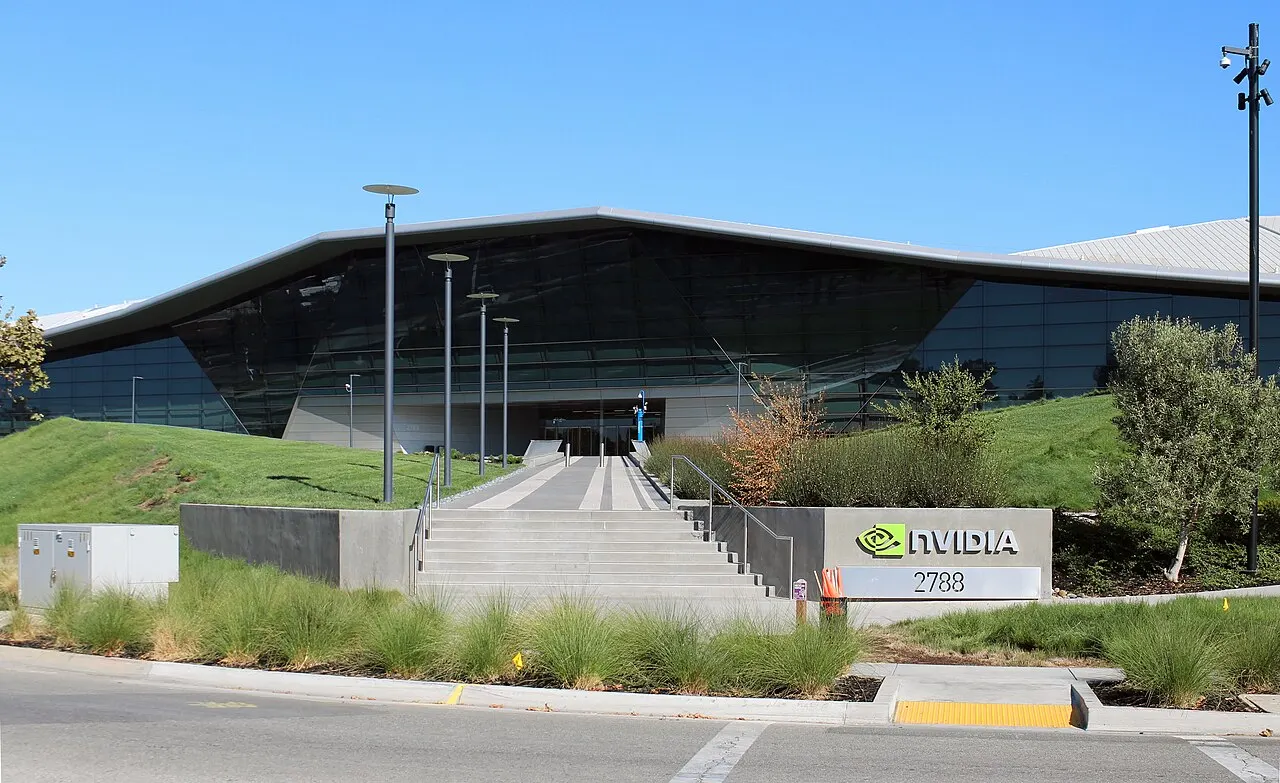
The President's Council of Advisors on Science and Technology includes industry leaders such as Nvidia CEO Jensen Huang, Meta CEO Mark Zuckerberg, AMD CEO Lisa Su, Oracle CTO Larry Ellison, and co-founder Marc Andreessen. The council is co-chaired by venture capitalist David Sacks and White House tech adviser Michael Kratsios.
The Energy Department's meeting website lists a new date for the postponed session. The panel will now gather on November 13, 2026, to discuss technology matters following the recent market sell-off.
Who is involved
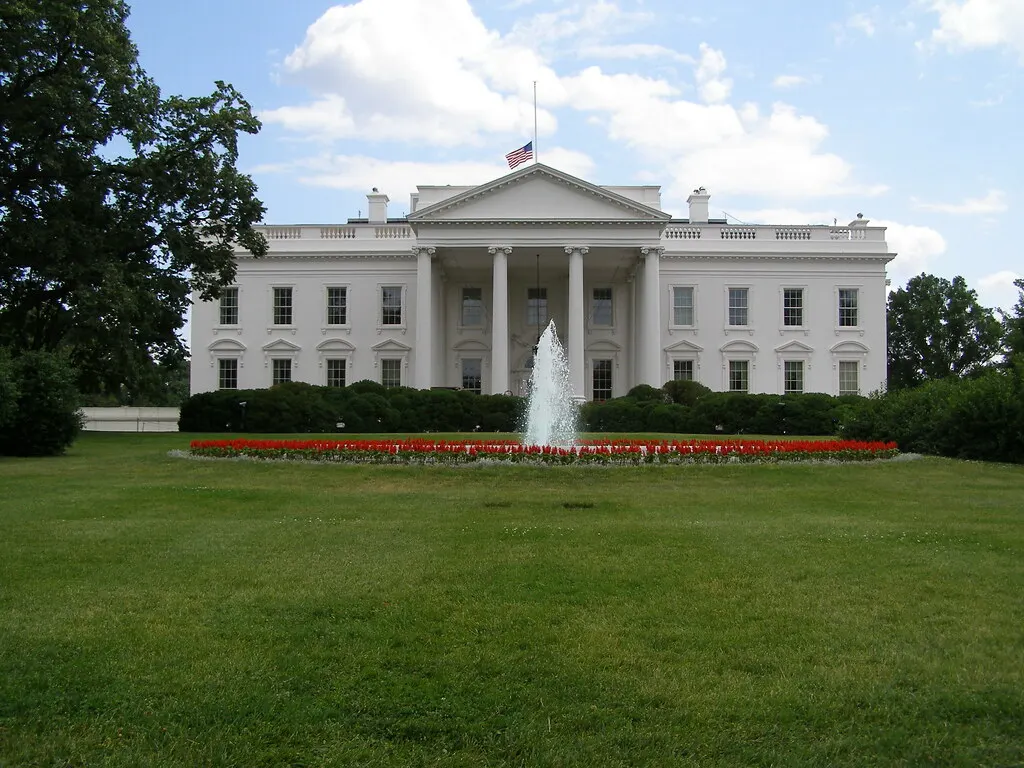
White House
Official residence and workplace of the president of the United StatesIn this storyThe Trump administration postponed a meeting of a White House tech panel scheduled for November 6, 20262.
How we got here
- 2026-11-06White House tech panel meeting was originally scheduled.
- 2026-11-13New date listed for the rescheduled tech panel meeting.
What the research says4 studies, 2022–2025
This literature review examines the academic and historical context surrounding the Trump administration's postponement of a White House tech panel meeting, which was rescheduled from November 6 to November 13 following market concerns2. The review covers the growth of technology markets, the intersection of artificial intelligence and financial trading, and the structural risks associated with volatility spillovers.
By synthesizing existing studies and official reports, this overview provides students and researchers with a neutral summary of prior research on market stability and technology sector dynamics without drawing independent conclusions.
Historical Context of Technology and Markets
The operational framework of digital asset markets and technology trading has developed significantly over preceding years. Amirzadeh et al. (2022)3 documented that the total capital in cryptocurrency markets reached approximately two trillion dollars in 2022, matching the market capitalization of Apple during the same period. As trading volumes expanded, price prediction emerged as a central challenge in financial systems, prompting increased investigation into machine learning models (Amirzadeh et al.
, 2022)3. Building upon these market foundations, subsequent developments involved high-level advisory bodies. According to official reports, the President's Council of Advisors on Science and Technology includes prominent industry leaders such as Nvidia CEO Jensen Huang, Meta CEO Mark Zuckerberg, AMD CEO Lisa Su, Oracle CTO Larry Ellison, and co-founder Marc Andreessen, with venture capitalist David Sacks and White House tech adviser Michael Kratsios serving as co-chairs2.
Artificial Intelligence in Financial Trading
Research into the application of artificial intelligence within financial markets examines how computational innovations reshape trading strategies and decision-making processes. Zafar Shaikh et al. (2025)4 conducted a conceptual review comparing artificial intelligence-driven methods, including machine learning, predictive analytics, and natural language processing, with traditional trading strategies. Their findings indicate that these technologies enhance trading decisions while simultaneously introducing technical, regulatory, and ethical challenges (Zafar Shaikh et al.
, 2025)4. Complementing this perspective, Schuchmann and Trubitsyna (2025)5 investigated how artificial intelligence tools support psycho-emotional regulation among market participants during periods of heightened volatility. They observed that continuous 24/7 trading, fragmented liquidity, and information sensitivity create persistent uncertainty that amplifies behavioral reactivity and cognitive biases, thereby defining a functional scope for computational support in structuring trading actions (Schuchmann and Trubitsyna, 2025)5.
Market Volatility and Sector Risks
The stability of technology sector investments and the transmission of market volatility have been subjects of quantitative analysis. Eteman (2024)6 analyzed speculative bubble risks in artificial intelligence investments using a Generalized Sup Augmented Dickey-Fuller (GSADF) test and volatility spillover analysis on the stocks of the Magnificent Seven, which include Meta, Microsoft, Apple, Amazon, Google, Nvidia, and Tesla.
The test results demonstrated significant speculative bubbles specifically within Nvidia and Tesla stocks, which subsequently spread volatility to other technology firms (Eteman, 2024)6. Furthermore, Eteman (2024)6 noted that Nvidia's central role in these spillovers indicates that overpricing in artificial intelligence investments can trigger a domino effect across the broader sector, potentially generating severe volatility in global markets.
This quantitative evidence of sector-wide vulnerability aligns with official reports of technology shares selling off dramatically due to concerns over artificial intelligence development and capital expenditure returns2.
The reviewed literature does not yet provide direct empirical studies linking specific administrative calendar changes or high-level policy meetings to short-term fluctuations in technology stock valuations. While existing research addresses general volatility spillovers and behavioral responses to market uncertainty, there is a lack of data examining the precise mechanisms by which advisory panel postponements influence investor sentiment or capital expenditure returns in artificial intelligence infrastructure. Additionally, sources differ in methodology—ranging from conceptual reviews of algorithmic trading to econometric tests of stock price bubbles—leaving a gap in unified models that combine macroeconomic policy announcements with sector-specific asset pricing.
Smart trading: Unlocking Artificial Intelligence in Stock Market
Sanaa Zafar Shaikh et al. · The Business & Management ReviewWhat to watch
- The rescheduled tech panel meeting on November 13, 2026.
The data
Real GDP Growth United States
United States: 2.3% in 2025 (-0.7 pts from 2024).
dashed = IMF forecastIMF World Economic OutlookDownload data (CSV, opens in Excel)
Show the numbers (31)
Country: United States · Indicator: real GDP growth · Source: IMF World Economic Outlook
| Year | Value | Forecast |
|---|---|---|
| 2001 | 1 | no |
| 2002 | 1.7 | no |
| 2003 | 2.8 | no |
| 2004 | 3.8 | no |
| 2005 | 3.5 | no |
| 2006 | 2.8 | no |
| 2007 | 2 | no |
| 2008 | 0.1 | no |
| 2009 | -2.6 | no |
| 2010 | 2.7 | no |
| 2011 | 1.6 | no |
| 2012 | 2.3 | no |
| 2013 | 2.1 | no |
| 2014 | 2.5 | no |
| 2015 | 2.9 | no |
| 2016 | 1.8 | no |
| 2017 | 2.5 | no |
| 2018 | 3 | no |
| 2019 | 2.6 | no |
| 2020 | -2.1 | no |
| 2021 | 6.3 | no |
| 2022 | 2.4 | no |
| 2023 | 2.9 | no |
| 2024 | 3 | no |
| 2025 | 2.3 | no |
| 2026 | 2.3 | yes |
| 2027 | 2.3 | yes |
| 2028 | 2.1 | yes |
| 2029 | 1.9 | yes |
| 2030 | 1.8 | yes |
| 2031 | 1.8 | yes |
IMF World Economic Outlook (IMF data, reused with citation)
Background
At a glance
 United States
- Capital
- Washington, D.C.
- Population
- 341.9 million
- Leaders
- Q22686
- Currency
- United States dollar
 United Kingdom
- Capital
- London
- Population
- 69.5 million
- Leaders
- Charles III · Andy Burnham
- Currency
- pound sterling
Wikidata · IMF, 2026-11-06
Sources and method
References (9)
News reports
Studies
- Rasoul Amirzadeh et al. (2022). Applying Artificial Intelligence in Cryptocurrency Markets: A Survey Algorithms
- Sanaa Zafar Shaikh et al. (2025). Smart trading: Unlocking Artificial Intelligence in Stock Market The Business & Management Review
- Vadim A. Schuchmann and Oksana Trubitsyna (2025). Artificial intelligence as a means of psycho-emotional regulation under increased cryptocurrency market volatility Ukrainian Journal of Applied Economics and Technology
- Volkan Eteman (2024). Speculative Bubbles in Artificial Intelligence Investments: Analysis of the “Magnificent Seven” Technology Stocks and Volatility Spillover Effects Ekonomi ve Finansal Araştırmalar Dergisi
Background
- White House Wikipedia
Reports used for this brief
Data
- IMF World Economic Outlook IMF data, reused with citation
- World Bank, World Development Indicators CC BY 4.0
How this brief was made
Automated research by ZynoNews: trending topic detected across news, searches and Wikipedia; facts and statements from the reports listed; numbers computed from open data; checked automatically for numbers, sources, copying and neutrality. Version 1. 1 news reports from 1 outlets, 8 official datasets, 4 research studies and 1 background sources.
Cite this
For papers, reports and theses. ZynoNews articles keep their address; updates are listed with their date.
ZynoNews Desk. (2026, November 8). Why Did the Trump Administration Delay the Tech Panel Meeting?. ZynoNews. https://zynonews.org/news/why-did-the-trump-administration-delay-the-tech-panel-meeting-c9dee8